Understanding the Concept of a Smart Home
A smart home is a living space equipped with connected technology that allows homeowners to control and automate everyday household functions. These systems use internet connectivity to link devices such as lighting, climate control, security tools, and entertainment systems. By centralizing control, a smart home improves convenience and transforms how people interact with their living environment.
How Smart Home Technology Functions
Connected devices rely on sensors, wireless networks, and software platforms to operate efficiently. Commands are issued through mobile applications or voice based interfaces. Devices communicate with each other to perform actions based on schedules or real time conditions. This coordinated approach creates an environment that responds intelligently to user behavior and preferences.
Automation and Daily Convenience
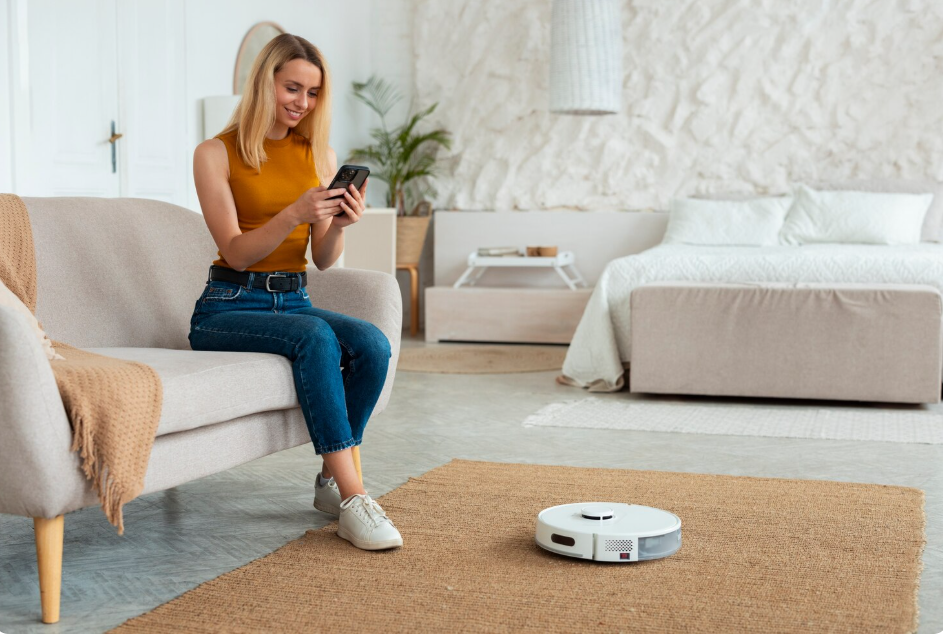
Automation is a major benefit of connected living. Lights can turn on automatically in the evening, temperature settings adjust based on weather, and appliances operate on preset schedules. These features reduce repetitive tasks and simplify routines. Homeowners gain more time and enjoy a smoother daily experience without constant manual control.
Energy Efficiency and Environmental Benefits
Energy management is one of the strongest advantages of a smart home. Automated lighting and climate systems reduce unnecessary usage by responding to occupancy and time of day. This leads to lower energy bills and supports environmentally responsible living. Efficient resource use benefits both homeowners and the wider environment.
Security and Peace of Mind
Home security has advanced significantly through connected technology. Cameras, motion sensors, and alert systems allow real time monitoring from anywhere. Notifications inform users of unusual activity instantly. Automated locks and alarms strengthen protection and increase confidence when leaving the house unattended.
Comfort and Personal Living Experience
Personalization plays a central role in connected homes. Users can adjust lighting intensity, room temperature, and entertainment settings to match their preferences. These adjustments can occur automatically based on routines. A customized environment enhances relaxation and overall comfort, making daily life more enjoyable.
Integration With Modern Lifestyles
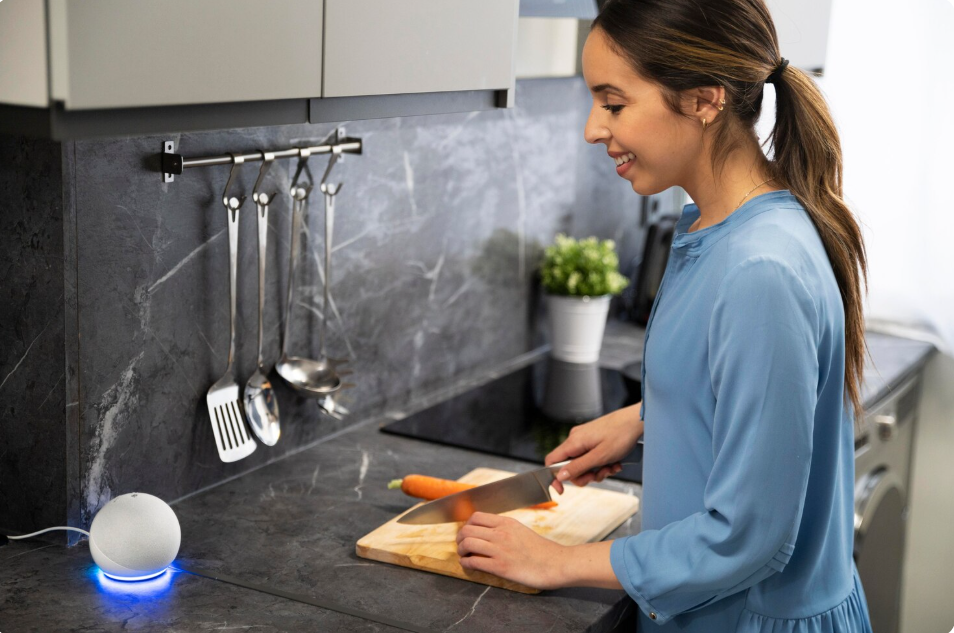
Connected technology fits naturally into modern routines. Voice assistants allow hands free control, while mobile apps offer instant access. Devices work together to support work, entertainment, and relaxation. This integration ensures technology enhances life without becoming intrusive or complicated.
Accessibility and Inclusive Living
A smart home can significantly improve accessibility for elderly individuals and people with physical challenges. Voice commands and automated systems reduce the need for physical movement. Remote monitoring allows caregivers to provide support while maintaining independence. These features create safer and more inclusive living spaces.
Cost Considerations and Long Term Value
Initial setup costs can vary depending on the level of automation chosen. However, long term savings from reduced energy use and improved efficiency often offset the investment. Scalable systems allow homeowners to start small and expand gradually. This flexibility makes connected living achievable for different budgets.
Privacy and Security Challenges
With increased connectivity comes responsibility. Data privacy and cybersecurity are important considerations. Choosing reputable devices and updating software regularly helps protect personal information. Understanding how data is stored and used allows homeowners to make informed choices and maintain control over their digital environment.
Impact on Home Management
Managing a household becomes easier with centralized control. Maintenance alerts, usage reports, and system updates improve awareness and planning. Homeowners can identify issues early and maintain systems efficiently. This proactive management reduces unexpected problems and enhances reliability.
Future Trends in Smart Living
The future of connected homes points toward greater intelligence and automation. Devices will become more adaptive and predictive, learning from user behavior. Integration with emerging technologies will improve efficiency and responsiveness. As adoption grows, connected living will become more intuitive and widely accessible.
Social and Lifestyle Benefits
Connected living supports better work life balance by simplifying household management. Families can coordinate schedules and routines more easily. Entertainment systems create immersive experiences tailored to personal tastes. These benefits contribute to a higher quality of life and improved household harmony.
Final Thoughts on Smart Home Technology
A smart home represents the evolution of modern living through automation and connectivity. It offers convenience, efficiency, security, and personalization that traditional homes cannot match. By adopting connected solutions thoughtfully, homeowners can create responsive environments that adapt to their needs. As technology continues to advance, smart living will play an increasingly important role in shaping comfortable and efficient homes.