Understanding the Concept of a Smart Home
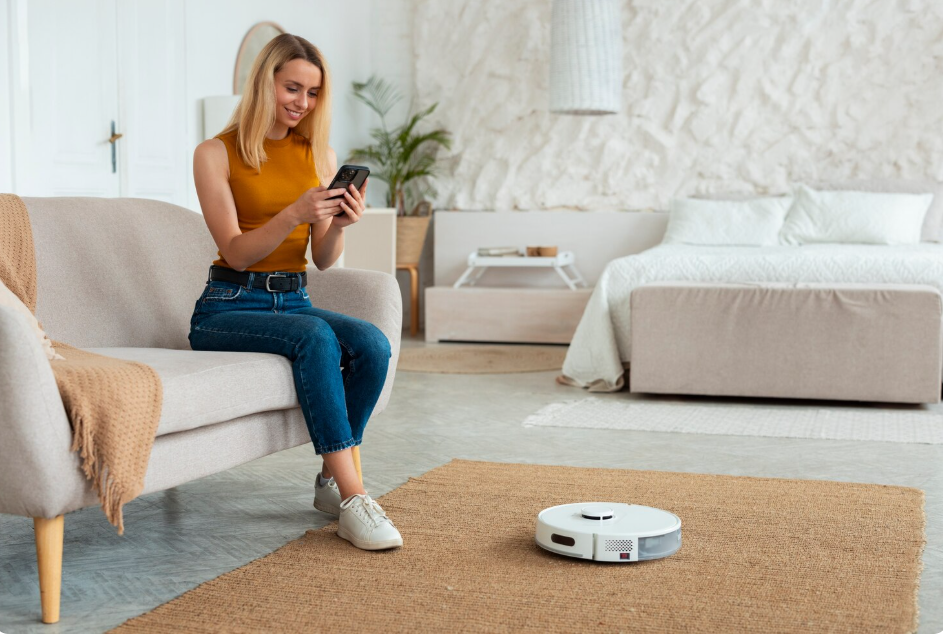
A smart home uses connected technology to automate and control household systems. Devices communicate through the internet to manage lighting, climate, security, and entertainment. This setup allows homeowners to monitor and control their living environment easily, improving convenience and daily comfort.
How Smart Home Technology Works
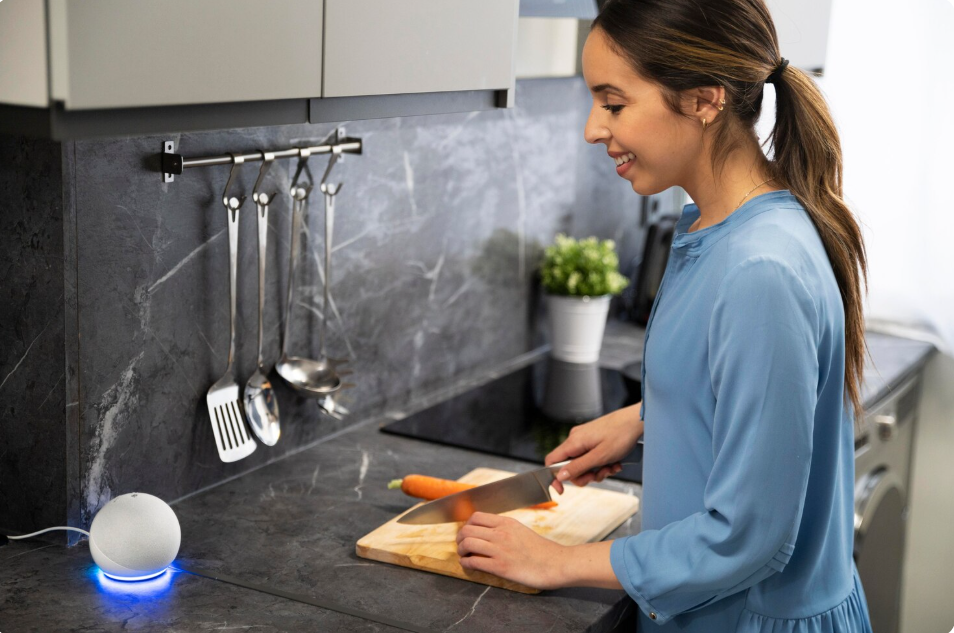
Connected devices operate through sensors, software, and wireless networks. Commands are given through mobile apps or voice controls. Systems collect data and respond based on user preferences. Automation routines allow devices to work together, creating a seamless living experience that adapts to daily habits.
Convenience and Time Saving Benefits
One major advantage of smart home solutions is convenience. Daily tasks such as adjusting lights or temperature can be automated. Users can manage their homes remotely, saving time and effort. This level of control simplifies routines and reduces the need for manual adjustments.
Energy Efficiency and Cost Savings
Automation helps optimize energy use. Smart lighting and climate control adjust based on occupancy and schedules. This reduces unnecessary consumption and lowers utility bills. Efficient energy management supports sustainability while providing long term cost benefits for homeowners.
Security and Safety Improvements
Smart home systems enhance security through connected cameras, sensors, and alerts. Homeowners receive real time notifications about unusual activity. Remote monitoring increases peace of mind, especially when away from home. Automated locks and alarms add an extra layer of protection.
Comfort and Personalization
Personalization is a key feature of connected living. Users can customize settings to match preferences. Lighting, music, and temperature can be adjusted automatically. This creates a comfortable environment that responds to individual needs and enhances overall living quality.
Integration With Daily Lifestyle
Smart home technology integrates smoothly into modern lifestyles. Voice assistants and mobile apps provide easy control. Devices work together to support entertainment, productivity, and relaxation. This integration makes technology a natural part of everyday life.
Accessibility and Support for All Users
Connected systems improve accessibility for elderly users and individuals with mobility challenges. Voice control and automation reduce physical effort. Remote assistance features allow caregivers to monitor and support loved ones. These benefits promote independence and safety.
Challenges and Considerations
Despite the advantages, smart home adoption has challenges. Initial setup costs and compatibility issues can arise. Data privacy and security concerns require careful device selection. Understanding system requirements helps users make informed decisions and avoid potential issues.
Future of Connected Living
The future of smart home technology points toward greater intelligence and integration. Devices will become more intuitive and responsive. Increased automation will simplify life further. As technology evolves, connected living will continue to enhance comfort, efficiency, and security.
Final Thoughts on Smart Home Living
Smart home technology transforms traditional living spaces into responsive and efficient environments. It offers convenience, personalization, and improved safety. By embracing connected solutions responsibly, homeowners can enjoy greater comfort and control. As innovation continues, smart living will play a vital role in shaping modern homes.